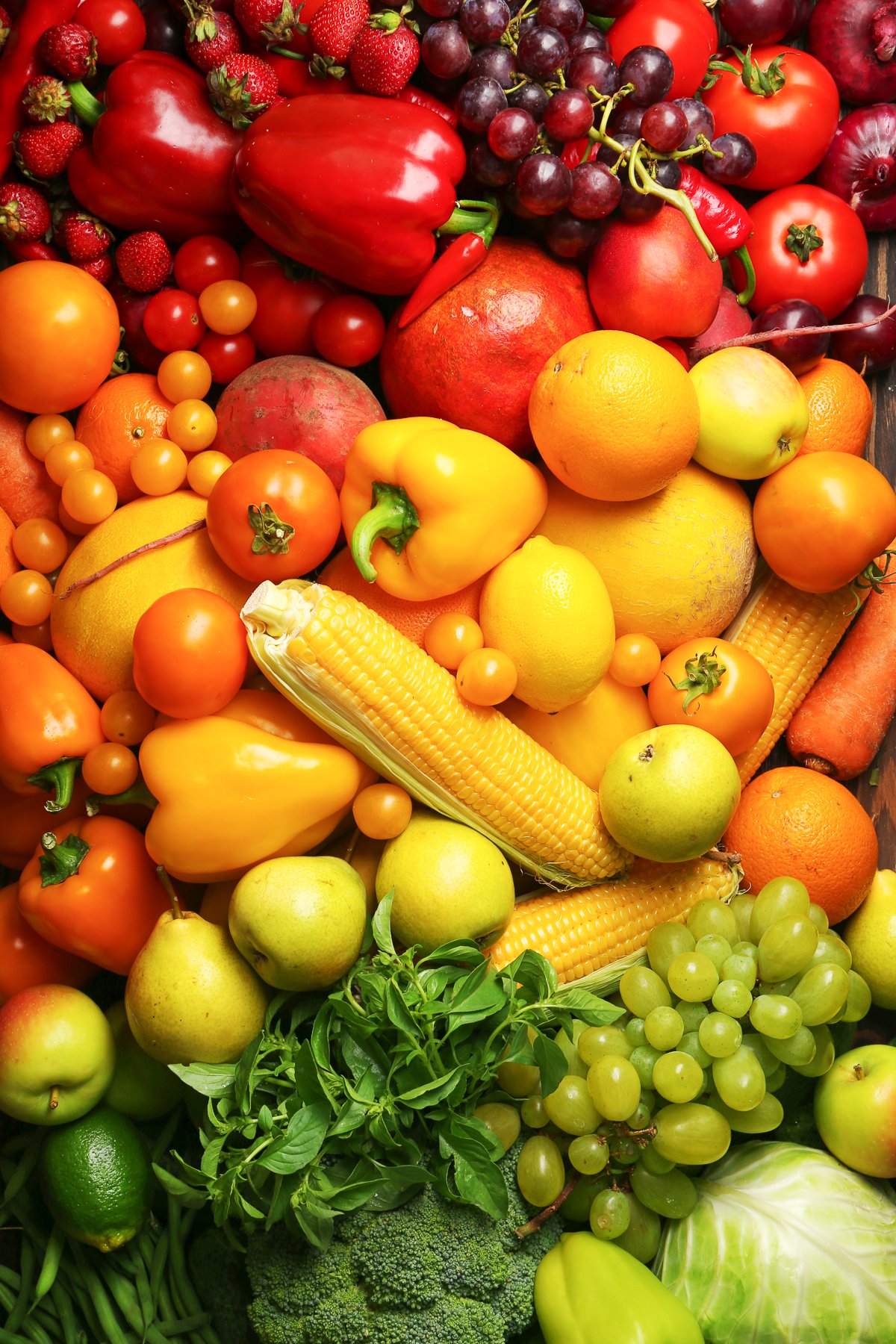
Have you ever wondered why your doctor encourages you to eat more fruits and vegetables, or why brightly colored berries, green tea and leafy vegetables receive so much attention in the wellness world? One of the reasons is their impressive collection of naturally occurring compounds.
Understanding antioxidants and health gives you a fascinating look at how your body manages everyday chemical reactions and how the foods you eat contribute to normal cellular function. The best part? You do not need an expensive shopping basket or a complicated diet to begin making better choices. Sometimes, the journey starts with something as simple as adding a handful of vegetables to your lunch.
Let’s explore the science behind these tiny defenders, the plants that contain them and the practical ways you can bring more variety into your daily meals.
1. What Happens When Free Radicals Meet Your Cells?
Understanding the body’s everyday chemistry
Your body is busy every second of the day. It turns food into energy, repairs tissues, responds to environmental changes and carries out thousands of chemical reactions. Some of these processes produce unstable molecules called free radicals.
Free radicals are not automatically bad. Your body uses certain reactive molecules in normal biological processes, including immune defense and cell signaling. Problems can arise when reactive molecules accumulate beyond what the body’s protective systems can manage.
This imbalance is commonly described as oxidative stress. When it becomes excessive or persistent, it can contribute to damage involving cell structures and other biological materials.
Where antioxidants enter the picture
Your body has its own antioxidant defense systems. You also obtain antioxidant compounds from foods, including vitamin C, vitamin E and various plant chemicals.
Think of these systems as a well organized maintenance team. Different members have different responsibilities, and no single member can do every job.
That is why the conversation about antioxidants and health should go beyond simply counting a nutrient or chasing a product with the biggest number on its label. The body relies on a complex network of processes, not a single magic ingredient.
2. How Plants Develop Their Own Chemical Defenses
Plants have remarkable survival strategies
Plants cannot walk away from intense sunlight, pests, changing weather or other environmental challenges. Instead, they have evolved fascinating ways to adapt to their surroundings.
Many plants produce compounds that contribute to their color, taste, aroma and responses to environmental stress. These include polyphenols, flavonoids and carotenoids, some of which have antioxidant activity.
That beautiful purple color in certain berries, the red shade of tomatoes and the distinctive yellow color of turmeric are not just decorations. They reflect different natural pigments and chemical compounds.
Why plant variety matters
Different plants contain different combinations of nutrients and phytochemicals. An orange does not have the same nutritional profile as spinach, and neither is identical to beans or tomatoes.
This diversity is one reason a varied diet can be more useful than focusing on just one celebrated food. A bowl containing several types of fruits and vegetables introduces a wider range of nutrients and plant compounds than eating the same item every day.
When exploring antioxidants and health, remember that scientists continue to investigate how these compounds behave in the human body. Findings from laboratory experiments are valuable, but they do not automatically prove that eating a particular plant or taking its extract prevents a disease.
3. Five Everyday Foods Rich in Antioxidant Compounds
Start with foods you can actually find
You do not need exotic ingredients to enjoy a varied, plant rich diet. Many familiar foods contain vitamins and other compounds involved in normal antioxidant processes.
Here are five useful places to start:
- Oranges and other citrus fruits: provide vitamin C and refreshing flavor.
- Tomatoes: contain lycopene, a carotenoid that gives them their red color.
- Dark green leafy vegetables: can supply vitamin C, carotenoids and other nutrients.
- Beans and legumes: offer fiber, minerals and a variety of plant compounds.
- Tea: contains polyphenols, including catechins in green tea.
Make healthy eating practical
Suppose you are preparing a simple Nigerian lunch. You could serve beans with vegetables, add tomatoes to a stew, enjoy a piece of fruit afterwards and drink water throughout the day.
That is a more practical starting point than trying to purchase every product described as a superfood.
You can also make small changes gradually. Add one new vegetable to a familiar meal, replace a sugary drink with water sometimes, or try a different fruit when shopping.
The aim is not to make every meal perfect. It is to develop a pattern you can sustain.
4. Antioxidant and Health Supplements vs Whole Foods: What Matters?
Why a capsule is not the same as a meal
Antioxidant supplements may contain concentrated vitamins, extracts or other ingredients. Whole foods, meanwhile, contain combinations of nutrients, fiber and plant chemicals that work within the context of your overall diet.
A supplement with a high amount of one antioxidant does not necessarily reproduce the effects of eating a variety of plant foods. Research on antioxidant supplements has also produced mixed results, and high doses can cause harm in some circumstances.
For example, high dose beta carotene supplements have been associated with increased lung cancer risk in people at high risk, including smokers. Vitamin E supplements can also interact with certain medicines.
This does not mean that every supplement is useless. Some may be appropriate for specific nutritional needs or medical circumstances. It means that the decision should be based on evidence, the product’s ingredients and your individual needs.
Become a smarter wellness shopper
Before choosing a product, ask yourself a few questions.
- Are the ingredients and amounts clearly listed?
- Is there credible evidence for the specific benefit being advertised?
- Could the ingredients interact with medication or an existing health condition?
- Is the seller transparent about product quality and appropriate use?
A responsible approach to antioxidants and health puts informed decisions ahead of exciting promises.
Conclusion: Small Food Choices, Better Informed Habits
The story of antioxidants and health is a reminder that your body is remarkably complex and that plants offer a fascinating variety of nutrients and compounds. From colorful fruits to leafy vegetables and everyday herbs, you have many ways to explore a more varied diet.
You do not need to fear every free radical, buy every trending supplement or expect one ingredient to transform your health overnight. Start with balanced meals, practical habits and reliable information. If you are considering a concentrated supplement, seek appropriate professional advice, especially if you take medication.
Ready to learn more about natural wellness and make more informed choices? Explore the resources available at RioStride Thrive, discover our approach to plant based wellness, and contact our team if you have questions about our products.


