Industry / niche
Herbal wellness and botanical nutrition
Estimated reading time
5–6 minutes
Word count: approximately 900 words
Introduction: Health benefits of herbs from history’s perspective
Open a kitchen cupboard in many Nigerian homes and you may find ginger, garlic, cloves or other familiar plant ingredients. Some are added for flavor, some are used in traditional preparations, and others have attracted the attention of scientists studying plant chemistry.
The health benefits of herbs are an interesting subject because they bring together food, culture, history and modern research. A plant can have a long history of traditional use without every claimed benefit being scientifically established. Understanding that distinction helps you appreciate these ingredients without expecting miracles from them.
Whether you enjoy preparing a warming cup of ginger tea or experimenting with herbs in your cooking, there is plenty to discover. Let’s look at what makes these plants fascinating and how you can use them thoughtfully.
1. Turmeric, Ginger and Cloves: Meet Their Key Compounds
Turmeric and its golden chemistry
Turmeric is known for its distinctive golden color and earthy flavor. It contains compounds called curcuminoids, including curcumin, which researchers have studied for their biological activities.
However, the amount absorbed by the body can be limited, and different preparations may behave differently. A finding from a laboratory study does not automatically mean that turmeric in a meal or a concentrated supplement will produce the same result in a person.
Ginger and cloves bring their own character
Ginger contains gingerols and related compounds that contribute to its pungent taste. It is widely used in cooking and has also been investigated for certain health applications.
Cloves contain eugenol, a compound that contributes to their distinctive aroma. These examples show how plants can contain many different chemicals, each with its own characteristics.
The interesting part about the health benefits of herbs is that the plant’s identity, preparation and amount all matter. A little ginger in soup is not equivalent to a highly concentrated ginger extract.
Bringing the health benefits of herbs into the kitchen
You can enjoy these ingredients in everyday meals without turning your kitchen into a laboratory. Add ginger to a vegetable dish, use turmeric to season rice or stew, or include a small amount of clove in a suitable recipe.
Think of herbs first as ingredients that add variety and flavor. Any specific medicinal use deserves a closer look at the available evidence.
2. How Herbal Teas Differ From Concentrated Extracts
A cup of tea is not the same as a supplement
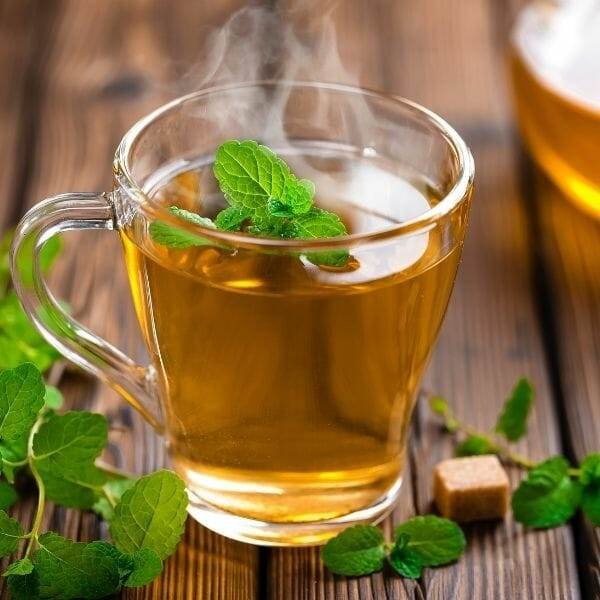
Herbal teas are usually prepared by steeping plant material in hot water. Depending on the plant and preparation, the resulting drink may contain different amounts of soluble compounds.
A concentrated extract is produced using a different process. It may contain higher amounts of selected plant constituents, and its strength can vary according to the manufacturing method.
This distinction matters because a familiar herb can behave differently when consumed in a concentrated form. More concentrated does not automatically mean more effective or safer.
Choose your preparation with care
If you enjoy herbal tea, pay attention to the ingredients, serving instructions and any warnings on the packaging. Avoid assuming that a homemade mixture is harmless simply because the ingredients are natural.
If you take regular medication, have a medical condition or are pregnant or breastfeeding, check with a qualified healthcare professional before using medicinal amounts of herbs or concentrated extracts.
3. Traditional Herbal Knowledge Meets Modern Research
Generations of experience can inspire scientific questions
Traditional plant knowledge is part of many cultures, including communities across Africa. Families may pass down knowledge about herbs used in food, household preparations and traditional wellness practices.
This knowledge can help researchers identify plants worth investigating. It can also preserve information about local biodiversity, cultivation and preparation methods.
However, tradition and clinical evidence answer different questions. A plant’s historical use may explain why people value it, while carefully designed research helps determine whether a particular preparation is effective and safe for a specific purpose.
What does credible research look like?
Researchers may begin by identifying a plant and examining its chemical composition. They might then conduct laboratory experiments, followed by animal studies where appropriate, and eventually human clinical trials if the early evidence justifies them.
Each stage has limitations. An interesting laboratory result is a starting point, not proof that a product will improve a person’s health.
When you investigate the health benefits of herbs, look for evidence involving the same plant species, preparation, dose and intended use as the product you are considering.
This simple habit can help you separate promising science from exaggerated online claims.
4. How to Research an Herb Before Adding It to Your Diet
Start with the correct plant identity
Common names can be confusing. Different plants may share similar names, and the same plant may have several names in different regions.
Look for the botanical name when possible. Also check which part is used: the leaf, root, bark, flower or seed. These details can make a difference to a product’s composition.
Check the evidence and the cautions
Use credible health information sources, scientific reviews and advice from qualified healthcare professionals. Be cautious of websites promising that one herb can cure many unrelated conditions.
Consider these practical checks:
- Confirm the plant’s identity and ingredients.
- Read preparation instructions and serving information.
- Check for relevant safety warnings and possible medicine interactions.
- Seek professional advice before using concentrated extracts for a health concern.
Remember that context matters
An herb used in normal cooking may not pose the same risks as an extract taken daily in large amounts. Safety depends on the ingredient, dose, preparation and individual circumstances.
The health benefits of herbs are best explored with curiosity and sensible expectations. That approach lets you appreciate botanical traditions while respecting what science has and has not established.
Conclusion: Let Curiosity Lead Your Herbal Journey
The health benefits of herbs offer a wonderful opportunity to explore the relationship between plants, culture, food and science. Turmeric, ginger, cloves and other botanicals can bring flavor and variety to your meals, while their chemical compounds continue to attract scientific interest.
You do not have to choose between appreciating traditional knowledge and asking scientific questions. You can do both. Start by learning the names of the plants you use, understanding how they are prepared and checking the evidence behind claims that interest you.
At RioStride Thrive, we believe that informed wellness choices begin with useful information. Explore our website to learn more about our natural wellness approach, and contact our team if you need clarification about a product’s ingredients or intended use.


